Demystifying Cloud & Infrastructure
Think of electricity in your home: you don't build a private generator in your backyard. Instead, you simply plug in your devices and pay only for the power you consume from a shared, highly reliable electric grid.
The Physical IT Foundation
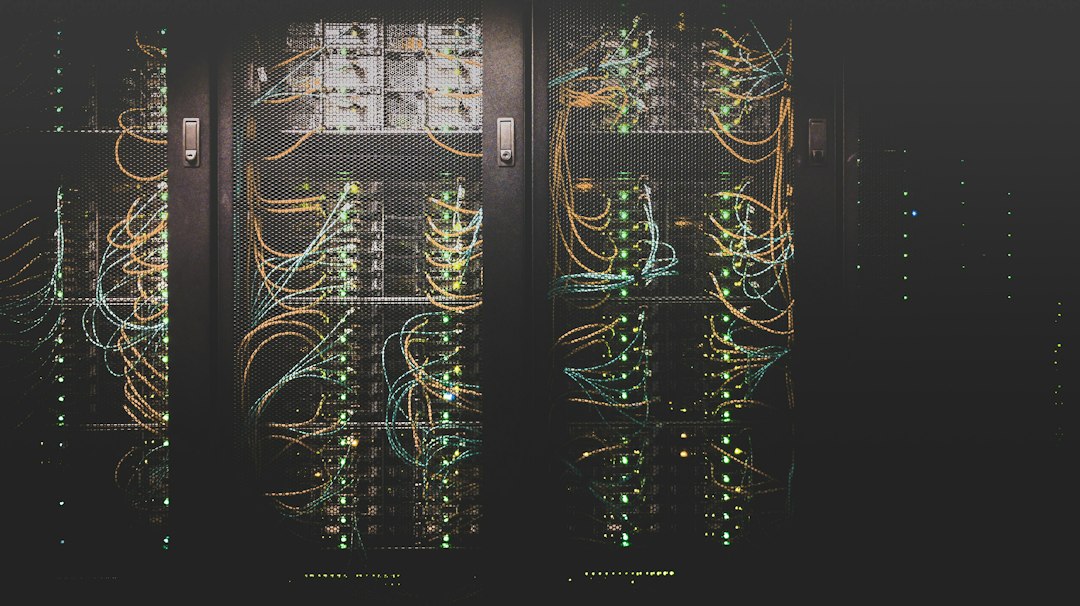
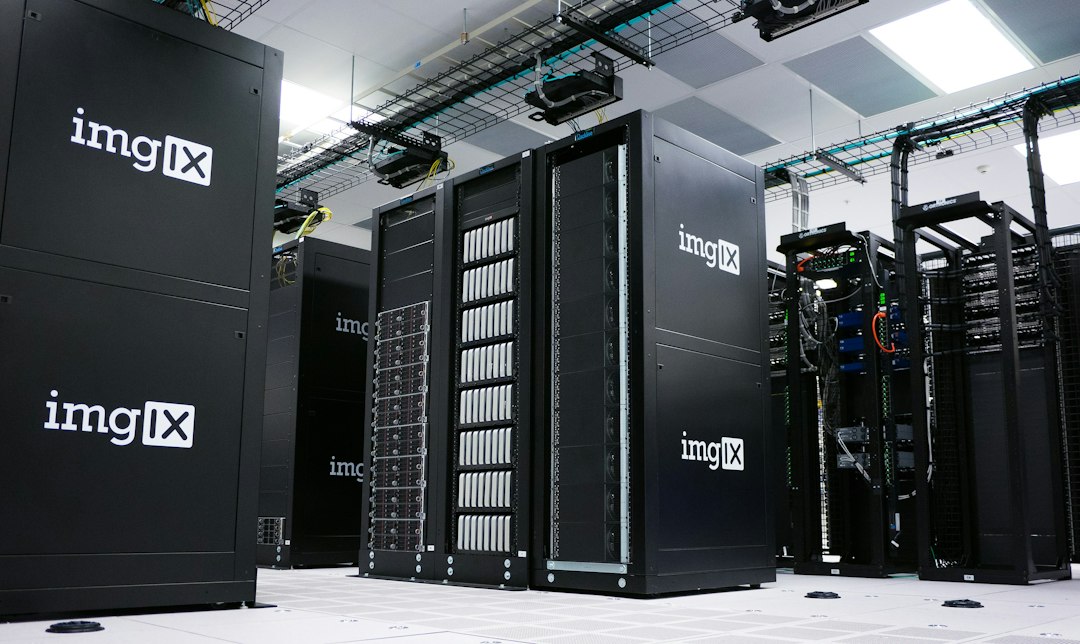
Servers, Networks, Storage & Operating Systems: Powerful physical computers (servers), high-speed fiber routers (networks), ultra-fast SSD storage arrays, and robust operating systems (like Linux) engineered to process millions of computations every second.
The Cloud Computing Transformation
On-Demand Digital Utility: Cloud computing delivers these compute, storage, and networking resources over the internet on-demand. Instead of buying expensive hardware, companies rent instant virtual capacity from cloud providers worldwide.
Why Cloud & IT Infrastructure Matters
Modern enterprises, social platforms, and scientific discoveries depend entirely on dependable, scalable, and secure cloud environments.
Business Operations
Enables global companies to run point-of-sale systems, ERPs, CRM databases, and internal workflows seamlessly without unexpected downtime.
Massive Data Storage
Stores petabytes of user files, videos, health records, and transactional databases with automated redundancy, snapshots, and rapid retrieval.
Global Accessibility
Allows remote teams, mobile travelers, and distributed workforces to access mission-critical tools and data from any browser, anytime.
Instant Scalability
Automatically scales computing resources from 10 servers to 1,000 servers within minutes during holiday shopping peaks, then scales back down.
High Reliability & Uptime
Built-in geographic replication and automatic failover guarantee continuous 99.99% service availability even if physical hardware encounters failure.
Enterprise Security
Multi-layered defense, end-to-end data encryption, strict identity access policies, and automated DDoS mitigation protect information assets.
Major Areas of Cloud & IT Infrastructure
A modern technological ecosystem is assembled from specialized pillars that work together in complete synchronization.
Cloud Computing
Providing virtual compute machines, serverless event functions, and elastic hosting environments managed via automated APIs and dashboards.
Servers & Data Centers
Physical hyper-scale facilities equipped with climate-controlled racks, backup generators, and enterprise servers executing computational workloads.
Networking
High-speed internet routing, Virtual Private Clouds (VPCs), subnets, DNS resolvers, load balancers, and firewalls connecting clients to applications.
Operating Systems
Server-grade kernels including Linux distributions (Ubuntu, Red Hat, Debian) and Windows Server that manage process scheduling and hardware memory.
Storage & Databases
Block, file, and object stores (like AWS S3) coupled with relational (SQL) and non-relational (NoSQL) databases for real-time querying.
DevOps & Automation
Infrastructure as Code (IaC), CI/CD pipelines, container orchestration, and automated health checks ensuring reliable software delivery.
Popular Cloud Platforms & Technologies
The global technology industry relies on standard ecosystems and tooling to build, host, and automate digital solutions.
Amazon Web Services
Cloud LeaderThe pioneer and largest global cloud platform, offering over 200 fully featured services including EC2, S3, RDS, Lambda, and IAM.
Microsoft Azure
Enterprise CloudMicrosoft's enterprise cloud ecosystem seamlessly integrating Active Directory, Windows Server, hybrid cloud environments, and AI services.
Google Cloud (GCP)
Data & AI CloudRenowned for industry-leading big data analytics (BigQuery), machine learning frameworks, and lightning-fast worldwide private networking.
Linux OS
Server BackboneThe open-source operating system that powers over 90% of the world's cloud servers, supercomputers, and enterprise container environments.
Docker
ContainerizationPackages applications and all their dependencies into lightweight, isolated containers that run identically on any machine or cloud.
Kubernetes
OrchestrationAn automated open-source system designed to deploy, scale, self-heal, and manage thousands of containerized applications across clusters.
How Does Cloud Infrastructure Work?
From the moment you tap a button on your phone to receiving data on your screen, here is the journey through cloud infrastructure.
User Request
A user clicks a link, plays a video, or submits a transaction from a phone or browser.
Network Routing
DNS resolves the domain and directs packets across global fiber networks and load balancers.
Cloud Server
Virtual machines and containers process business logic, authenticate tokens, and run compute tasks.
Database Retrieval
The cloud server queries or updates distributed database tables, caches, and storage clusters.
App Response
Processed data returns to the user device in milliseconds, displaying the live result on screen.
The Three Cloud Service Models
Cloud computing services are organized into three primary layers, each offering a different degree of control and management.
Infrastructure as a Service
Provides fundamental computing blocks: raw virtual machines, physical servers, networks, and storage disks. You manage the OS, runtime, and apps.
Platform as a Service
Provides an environment where developers can build, run, and scale applications without worrying about operating system updates, patches, or server maintenance.
Software as a Service
Complete, ready-to-use software hosted entirely in the cloud and accessible through web browsers. The provider manages all underlying infrastructure.
Infrastructure in Everyday Life
Almost every convenient digital service we enjoy relies on robust cloud infrastructure.
Online Banking & Payments
Ensuring lightning-fast, high-volume transactional processing and account reconciliation around the clock.
Video Streaming Platforms
Content Delivery Networks (CDNs) stream 4K movies with zero buffering to millions of viewers simultaneously.
Cloud File Storage
Google Drive, iCloud, and OneDrive automatically sync and safeguard your photos, videos, and college files.
Video Meetings & Collaboration
Zoom, Google Meet, and MS Teams route real-time audio and video packets across worldwide server networks.
Online Shopping Portals
Dynamic auto-scaling keeps e-commerce sites responsive and inventory databases synchronized during flash sales.
Mobile Apps & Ride-Hailing
Food delivery, maps, and ride apps run serverless backend APIs connecting customers with drivers in real time.
Career Pathways in Cloud & Infrastructure
As every modern organization migrates to cloud architecture, high-demand career opportunities await skilled graduates and aspiring professionals.
Cloud Engineer
Designs, builds, and maintains cloud setups on platforms like AWS, Azure, and Google Cloud, ensuring reliable performance and security.
Cloud Administrator
Manages user access, virtual machine health, monthly resource budgeting, cloud billing, and security compliance policies.
System Administrator
Maintains Linux and Windows servers, executes updates, manages directory services, and ensures everyday system stability.
Network Engineer
Configures routers, switches, VPN tunnels, and subnets to keep data communication fast, redundant, and securely guarded.
DevOps Engineer
Bridges software development and infrastructure operations using CI/CD pipelines, Docker containers, and Kubernetes automation.
Build the Future of Digital Infrastructure.
Ready to understand cloud platforms, data centers, and the architecture powering millions of apps? Start your learning adventure with D2E Creations.