Understanding Data & Emerging Tech Made Simple
Every tap on your phone, online order, search query, and sensor reading creates data. But raw data is just a mountain of unstructured ingredients.
The Master Chef Analogy
Imagine Data as fresh ingredients in a bustling kitchen. Analytics is the recipe and measuring tools that understand the ingredients. Automation is the smart kitchen appliances prepping meals automatically. Artificial Intelligence is the master chef who invents new gourmet recipes and adapts to your taste.
Working Together in Harmony
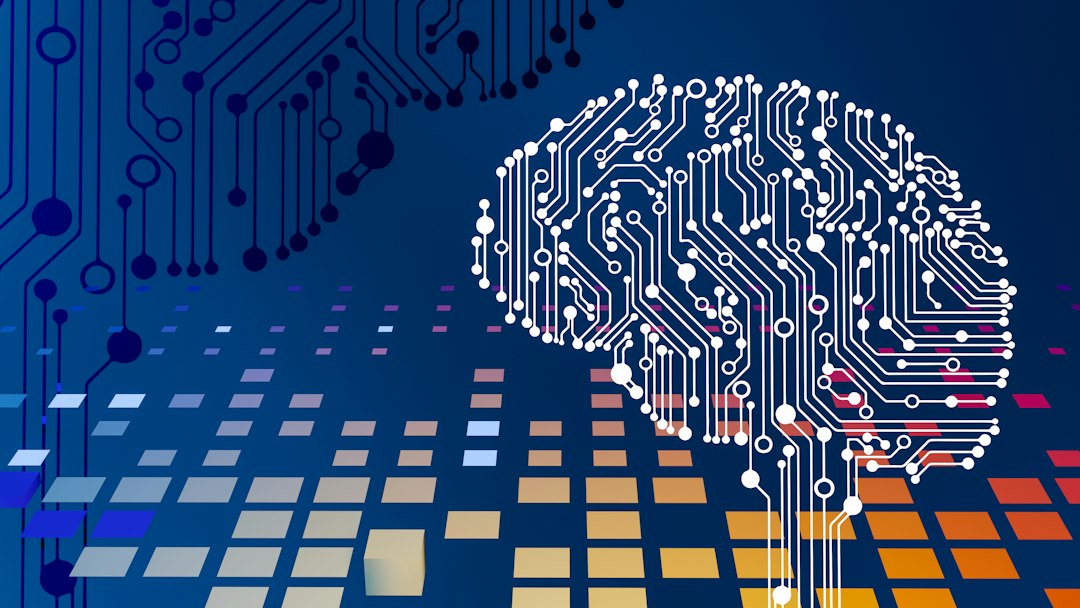
When data feeds into automated workflows and machine learning algorithms, computers evolve from passive record-keepers into proactive partners that predict trends, reduce manual errors, and spark innovation.
Why Are These Technologies Important?
Modern organizations and tech leaders leverage data and emerging innovations to solve real-world challenges faster and smarter.
Better Decisions
Replace guesswork with evidence-based intelligence, identifying patterns and actionable insights with precision.
Time Efficiency
Automate repetitive administrative tasks, allowing human teams to focus on creative and strategic initiatives.
Smarter Solutions
Harness machine intelligence to optimize logistics, forecast user demand, and deliver personalized experiences.
Innovation
Create entirely new product paradigms like conversational AI agents, smart cities, predictive healthcare, and augmented experiences.
Business Growth
Identify unexplored markets, maximize operational ROI, and retain customers through predictive engagement models.
Future Readiness
Equip yourself and modern enterprises with the agility needed to thrive in an AI-first, data-driven global economy.
Major Areas of Data & Emerging Tech
Dive into the fundamental disciplines that constitute the future of computation and enterprise intelligence.
Data Analytics
The science of inspecting, cleansing, transforming, and modeling raw data to discover meaningful trends and inform strategic conclusions.
Automation
Using robotic software scripts, API pipelines, and predefined triggers to execute routine digital tasks without human intervention.
Artificial Intelligence
Building computing systems capable of simulating human cognitive abilities such as visual perception, natural speech, and adaptive reasoning.
Machine Learning
A subset of AI that enables systems to learn and improve autonomously from historical data and examples, without explicit hardcoded rules.
Generative AI
Advanced neural architectures trained on massive datasets that can synthesize brand-new, realistic text, code, imagery, audio, and solutions.
Emerging Technologies
Breakthrough technologies including IoT sensors, decentralized blockchain ledgers, immersive extended reality (AR/VR), and edge computing.
Popular Tools & Technologies
Familiarize yourself with the dominant software platforms and programming frameworks powering modern analytics and automated systems.
Python
Data & AI LanguageThe premier language for data science, machine learning models, statistical libraries, and automated scripting.
Microsoft Power BI
Business IntelligenceEnterprise analytics service by Microsoft delivering dynamic visual dashboards, KPI monitors, and real-time reporting.
Microsoft Excel
Spreadsheet AnalyticsThe timeless foundation for quick calculations, PivotTables, formula logic, and straightforward financial modeling.
TensorFlow
Deep Learning FrameworkAn open-source ecosystem created by Google for training and deploying deep neural networks and machine learning models.
UiPath
Robotic Process AutomationLeading RPA platform for building software robots that execute cross-system business workflows and back-office tasks.
Tableau
Visual AnalyticsIntuitive drag-and-drop analytics suite allowing analysts to craft interactive data stories and share visual discoveries.
How Does Data Analytics Work?
Raw information moves through a systematic six-stage lifecycle before transforming into actionable, executive decisions.
Data Collection
Gathering inputs from apps, databases, websites, and IoT sensors.
Data Cleaning
Removing duplicate entries, fixing typos, and handling missing numbers.
Data Processing
Structuring and formatting data tables into ready-to-query formats.
Data Analysis
Applying statistical formulas and ML models to spot underlying trends.
Visualization
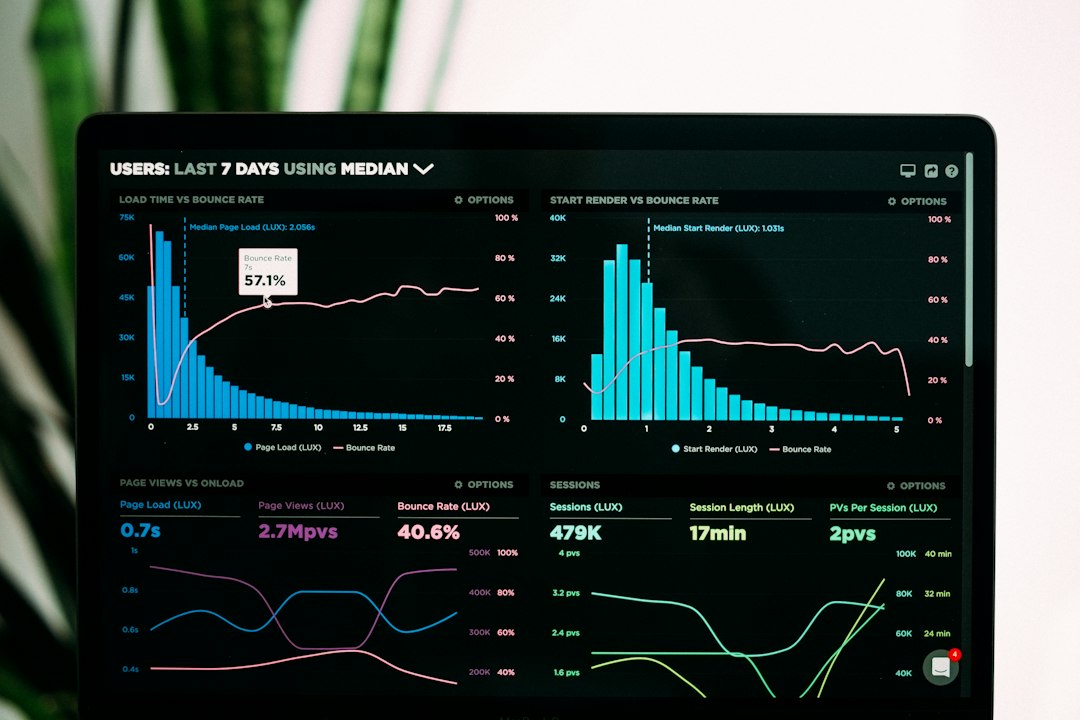
Translating complex numbers into intuitive charts and interactive dashboards.
Decision Making
Enabling business leaders to take high-confidence, strategic actions.
Understanding Different Types of AI
AI is often used as a single umbrella term, but it consists of progressively deeper layers of capability.
Artificial Intelligence (AI)
The Broad Domain: Any technique that enables computers to mimic human intelligence, including rule-based logic, expert systems, and intelligent automated agents.
Machine Learning (ML)
Learning from Data: Algorithms that detect patterns in past training sets and make predictions on new data without needing explicit programmers' rules.
Deep Learning (DL)
Multi-Layer Neural Nets: Brain-inspired artificial neural networks capable of learning complex abstractions like facial recognition, voice synthesis, and autonomous driving.
Generative AI
Creative Synthesis: Cutting-edge models like Large Language Models (LLMs) and diffusion networks capable of generating novel prose, digital art, code, and synthetic media.
Emerging Technologies Shaping the Future
Discover the frontier breakthroughs converging with data and AI to redefine physical and virtual worlds.
Internet of Things (IoT)
Interconnected networks of physical smart devices, environmental sensors, and industrial equipment transmitting live telemetry across the globe.
Blockchain
Decentralized, cryptographically verifiable digital ledgers that record transparent transactions, verify smart contracts, and secure digital ownership.
Augmented Reality (AR)
Superimposing digital visual elements, annotations, and spatial 3D models onto your live physical environment through glasses and smart cameras.
Virtual Reality (VR)
Fully immersive simulated 3D environments used for high-risk industrial training simulations, medical surgery rehearsals, architectural walkthroughs, and collaborative metaverses.
Edge Computing
Processing computation and AI inference right at the data source (on local micro-servers and smartphones), drastically cutting latency and bandwidth demands for mission-critical operations.
Data & AI in Everyday Life
You experience modern data analytics and machine learning dozens of times each day without even thinking about it.
Shopping Recommendations
E-commerce algorithms suggesting items based on your past browsing patterns and purchase history.
Banking Fraud Detection
Anomaly detection algorithms screening transactions in milliseconds to block unauthorized payments.
Healthcare Analytics
Deep learning tools assisting doctors by spotting early anomalies in radiology scans and lab tests.
Entertainment Feeds
Streaming platforms curating your daily music playlists and movie recommendations in real time.
Traffic Prediction
GPS navigation recalculating fastest routes dynamically using live road congestion telemetry.
Smart Assistants
Speech-recognition NLP models setting reminders, answering questions, and controlling smart appliances.
Business Reporting & Automated Alerts
Automated bot scripts reconciling daily accounts, generating executive KPI dashboards, and notifying supply chain supervisors instantly of warehouse stock changes.
Career Pathways in Data & Emerging Tech
Companies across all global sectors are aggressively recruiting talent equipped with data analytics, automation, and AI skills.
Data Analyst
Translates quantitative data sets into clear insights that guide daily business operations.
Business Intelligence Analyst
Monitors corporate KPIs, market dynamics, and operational efficiency through structured reports.
Power BI Developer
Designs responsive DAX calculations, live reporting dashboards, and executive data portals.
Data Engineer
Builds resilient data pipelines, ETL architectures, and distributed data lakes for high-volume storage.
Machine Learning Engineer
Develops and optimizes predictive ML models and integrates them seamlessly into live web applications.
AI Engineer
Architects neural networks, computer vision tools, and natural language understanding models.
Automation Developer
Creates API workflows, test automation suites, and automated system scripts to eliminate routine toil.
RPA Developer
Programs robotic software agents with tools like UiPath to execute complex enterprise workflows.
Data Scientist
Formulates mathematical hypotheses, experiments with high-dimensional data, and extracts strategic forecasts.
AI Application Developer
Builds user-facing intelligent software integrating Large Language Models, vector databases, and autonomous AI agents into enterprise products.
The Future Belongs to Those Who Innovate.
Understand data. Explore artificial intelligence. Discover automation. Build skills for tomorrow's technology.