
Understanding Cybersecurity Made Simple
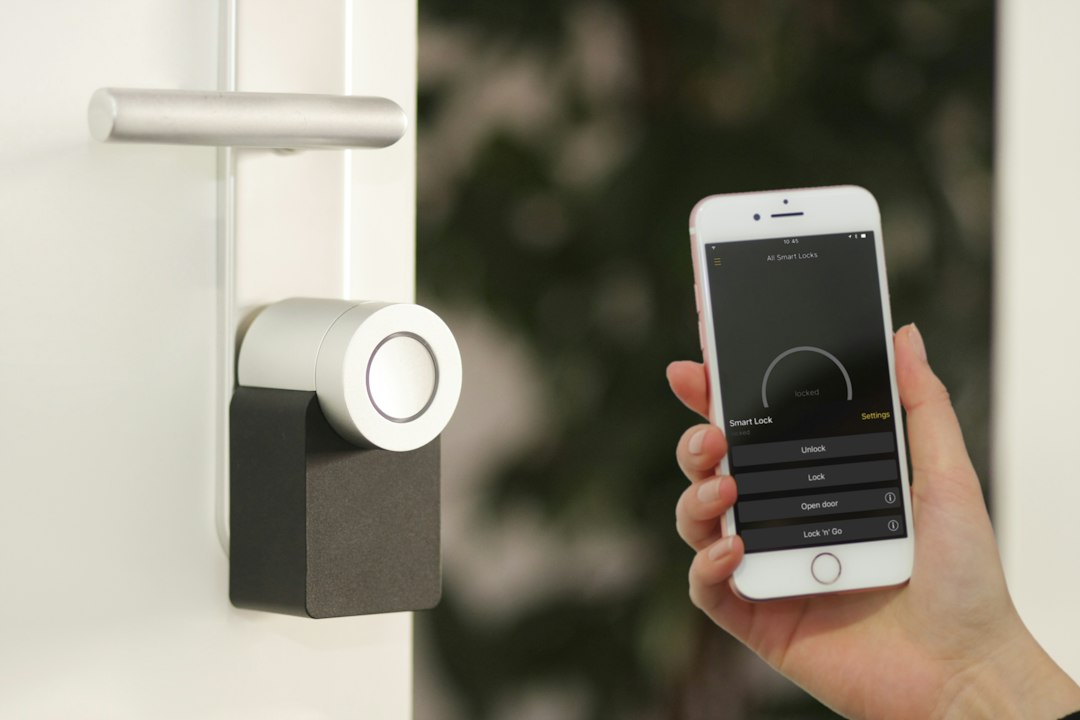
Think about how you protect your physical house. You lock the main door, latch the windows, keep safety cameras, and only hand keys to people you trust.
Your Digital House
In the digital world, your smartphones, social accounts, bank profiles, and cloud storage are rooms filled with precious memories, money, and personal secrets.
The Digital Locks
Cybersecurity is simply installing strong digital locks (passwords), security cameras (monitoring systems), and gates (firewalls) to ensure unauthorized strangers cannot steal your valuables.
Why Cybersecurity is Important
Almost every part of modern human life relies on connected technology. Without strong security measures, our essential daily activities face high risks.
Online Banking
Securing financial transactions, UPI payments, bank balances, and card credentials so unauthorized parties cannot drain your funds.
Personal Data Protection
Keeping personal phone numbers, home addresses, government IDs, photos, and messages safe from public leaks and illicit surveillance.
Business Security
Safeguarding confidential company innovations, customer databases, payroll records, and operational infrastructure from espionage.
Digital Identity Protection
Preventing criminals from impersonating you on social media, taking loans in your name, or creating fabricated profiles with your credentials.
Common Cyber Threats Explained
Cyber threats are attempts by attackers to damage or steal data, disrupt systems, or gain unauthorized control over computers and digital accounts.
Phishing
Deceptive emails, fake text messages, or spoofed login websites designed to trick you into revealing confidential passwords, OTPs, or credit card details.
Malware
Short for "malicious software". Includes viruses, worms, and spyware secretly installed on your devices to track keystrokes, steal files, or spy on your activities.
Ransomware
A dangerous program that encrypts and scrambles all your files and documents, blocking access until a hefty ransom payment is sent to the cyber criminal.
Password Attacks
Automated tools and dictionaries used by hackers to guess simple passwords, test leaked password lists, or crack weak login credentials across multiple platforms.
DDoS Attacks
Distributed Denial of Service (DDoS) floods a website or online portal with fake traffic from thousands of infected machines, causing the service to crash for legitimate users.
How Cybersecurity Works: The 5 Stages
Cybersecurity is not just a single software tool; it is a continuous, structured cycle that safeguards systems before, during, and after a security incident.
Prevention
Setting up firewalls, patching known vulnerabilities, and training people to avoid risky clicks.
Detection
Monitoring network traffic and system logs around the clock to spot suspicious anomalies early.
Protection
Enforcing encryption, multi-factor authentication (MFA), and strict access control rules.
Response
Containing the breach quickly, isolating compromised devices, and halting unauthorized actions.
Recovery
Restoring systems from verified clean backups and reinforcing weaknesses to prevent recurrence.
Different Areas of Cybersecurity
Just like medical care has doctors for various fields, cybersecurity is divided into dedicated domains focused on defending specific technological systems.
Network Security
Guarding computer communication channels, Wi-Fi networks, routers, and gateways from wiretapping and unauthorized packet interception.
Application Security
Writing secure code and testing mobile or web applications so attackers cannot exploit programming loopholes or corrupt data.
Cloud Security
Protecting files, servers, databases, and enterprise applications hosted on cloud providers like AWS, Google Cloud, and Microsoft Azure.
Data Security
Encrypting and classifying digital information so that even if data packets are intercepted, they remain unreadable without a decryption key.
Information Security (InfoSec)
Maintaining the core CIA triad (Confidentiality, Integrity, and Availability) across every business record, policy, and user privilege.
Digital Forensics
Investigating digital crime scenes, analyzing hard drive memory, reconstructing cyber attacks, and preserving evidence for legal proceedings.
Cybersecurity in Daily Life
You encounter cybersecurity dozens of times every single day without even realizing it.
Online Banking & UPI
OTP verification and SMS alerts that stop fraudulent transfers before they clear.
Social Media Accounts
Two-factor login prompts (2FA) that protect your Instagram, WhatsApp, and LinkedIn feeds.
Email & Spam Filters
Automated scanners that catch deceptive links and junk messages before reaching your inbox.
Password Managers
Creating strong, distinct passwords for every profile so a single breach doesn't compromise all.
Safe E-Commerce
The small padlock icon in your browser URL bar confirming SSL encryption during checkout.
Personal Files & Photos
Automatic encrypted phone backups safeguarding your photos and essential certificates.
Career Pathways in Cybersecurity
With billions of new connected devices entering the world, organizations across the globe are seeking skilled cybersecurity professionals.
Ethical Hacker
Also known as Penetration Testers. They are legally hired to think like malicious attackers, searching for vulnerabilities before bad actors can find and exploit them.
SOC Analyst
Security Operations Center (SOC) professionals who monitor live alerts 24/7, triage suspicious spikes, and immediately neutralize unauthorized intrusion attempts.
Security Engineer
Tech architects who build and maintain secure systems, configure enterprise firewalls, manage authentication layers, and design resilient network architectures.
Digital Forensics Analyst
Cyber detectives who examine hard drives, reconstruct breach timelines, trace digital evidence, and present actionable findings for law enforcement and courts.
The Future is Digital. Security is Essential.
Curious about technology and how to protect it? Start your cybersecurity learning journey with D2E Creations.