
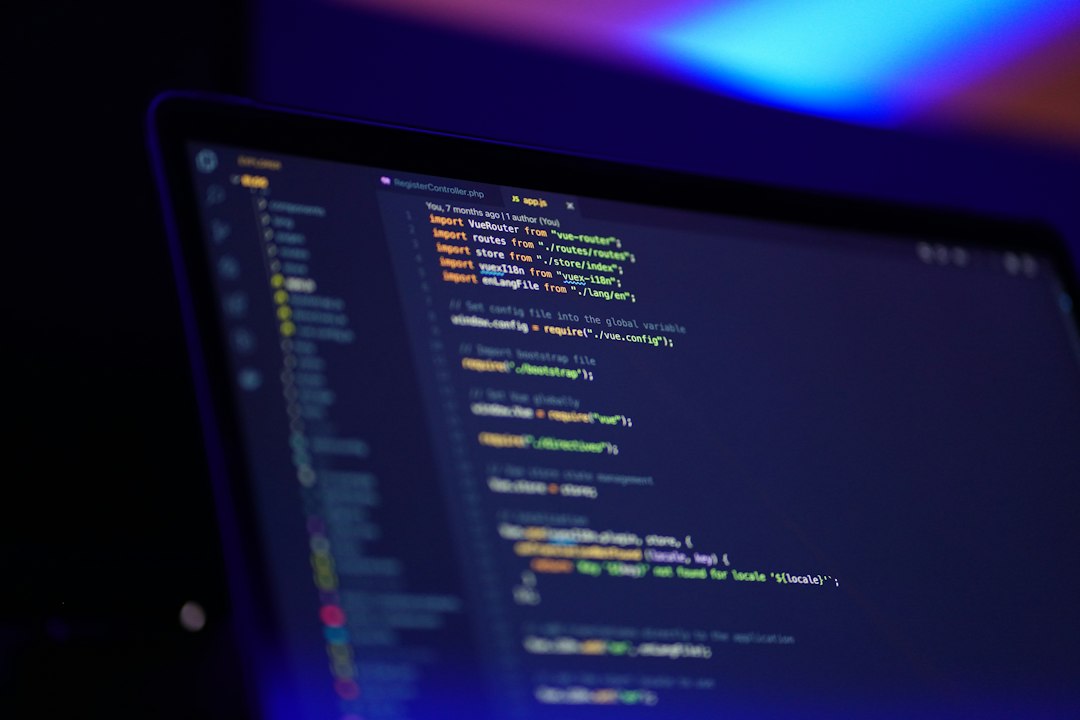
How Humans Talk to Computers
Computers are exceptionally fast at computing, but they cannot think on their own. They require exact, step-by-step instructions written in languages they understand.
The Recipe Analogy
Just like following a kitchen recipe step-by-step to bake a cake, a computer follows lines of code step-by-step to calculate results, draw shapes on a screen, or send data.
Everyday Examples
From a simple pocket calculator adding numbers, to banking apps transferring money securely, to video streaming portals delivering movies—programming makes them all function seamlessly.
Why Programming is Important
Software code touches every industry, transforming physical services into instant, accessible digital experiences across the globe.
Websites
Connecting billions of people to information, digital learning, global news, and online stores available 24/7.
Mobile Applications
Putting communication, GPS navigation, camera tools, and entertainment directly in people's pockets everywhere.
Business Software
Automating payroll, tracking supply chain inventories, managing hospital records, and processing airline bookings.
Artificial Intelligence
Training smart algorithms to analyze healthcare scans, recognize voices, recommend music, and power autonomous vehicles.
Different Types of Programming
Programming is a wide landscape with distinct domains, each tailored to solve specific challenges and build unique kinds of applications.
Web Development
Building responsive websites and interactive web portals using frontend design and server-side databases that run inside web browsers.
Mobile App Development
Crafting touch-friendly, fast applications designed specifically for Android and iOS smartphones, tablets, and smartwatches.
Backend Development
Managing the invisible engine behind applications—servers, APIs, user authentication, security rules, and database records.
Software Development
Creating rich desktop tools, operating system utilities, media editors, and large-scale enterprise suites that run natively on machines.
Game Development
Combining physics engines, 3D graphics rendering, sound logic, and user input to bring interactive video game worlds to life.
Automation & Data Programming
Writing scripts to automate repetitive tasks, scrape internet data, analyze massive Excel reports, and generate business insights.
Popular Programming Languages
Just like human languages, different programming languages have distinct syntax, strengths, and ideal use cases.
Python
Known for clean, English-like syntax that makes it the #1 choice for beginners learning logic and problem-solving.
Artificial Intelligence, Machine Learning, Data Science, Web Backends & Automation.
Java
Built on the "Write Once, Run Anywhere" philosophy, renowned for high reliability, security, and immense enterprise scalability.
Banking Systems, Android Mobile Applications, Cloud Services & Enterprise Software.
JavaScript
The universal language that runs natively in every web browser, powering animations, buttons, dynamic forms, and full web apps.
Frontend Web Development, Interactive UI, Full Stack Web Applications & Mobile Apps.
C / C++
High-speed foundational languages offering direct control over hardware memory and lightning-fast execution efficiency.
Operating Systems, High-End Video Game Engines, Embedded Devices & Web Browsers.
How Software Development Works (SDLC)
Professional software is built through a structured engineering roadmap that ensures reliability, security, and exceptional user experience.
Planning
Defining requirements, target users, and project objectives.
Design
Creating UI mockups, screen layouts, and database schemas.
Development
Writing clean, modular code to turn designs into working features.
Testing
Eliminating bugs and verifying security across different screens.
Deployment
Launching the software live on cloud servers and app stores.
Maintenance
Releasing updates, security patches, and speed improvements.
Essential Development Technologies
Software developers use a toolkit of foundational standards, modern frameworks, databases, and version control tools to build robust applications.
HTML
HyperText Markup Language: the fundamental skeleton of every web page, defining headings, paragraphs, images, and links.
CSS
Cascading Style Sheets: controls colors, typography, card layouts, margins, and responsive looks across desktop and mobile screens.
JavaScript
Adds dynamic behavior to websites, handling button clicks, animated menus, live data updates, and popup notifications.
React
A popular JavaScript library created by Meta for building modular, reusable, and blazing-fast user interfaces.
Node.js
Enables developers to execute JavaScript on servers, powering high-concurrency APIs, chats, and backend microservices.
SQL
Structured Query Language: queries and organizes structured tables holding user logins, product prices, and orders.
Git & GitHub
Tracks every single code modification, allowing hundreds of programmers to collaborate simultaneously without conflict.
APIs
Application Programming Interfaces: bridges connecting independent apps (e.g. embedding Google Maps inside Uber).
Programming in Everyday Life
Code silently drives almost every convenience you enjoy throughout your day.
Social Media
Algorithms that curate relevant feeds, handle instant messaging, and stream live video reels effortlessly.
Online Shopping
Inventory management, payment gateways, review engines, and automated shipping trackers.
Banking Applications
High-speed ledger accounting, fraud detection filters, and instantaneous QR / UPI bank transactions.
Food Delivery
Live GPS tracking connecting customer orders, restaurant kitchen queues, and delivery partner routes.
Online Education
Interactive quizzes, recorded lectures, progress analytics, and automated certificate generation portals.
Smart Devices & IoT
Fitness smartwatches calculating heart rates, automated home lights, and smart temperature sensors.
Career Pathways in Software Development
Whether you love visual design, mathematical logic, or architectural systems, programming offers diverse, high-growth career tracks.
Software Developer
Engineers who design, write, test, and debug programs to solve business problems and automate processes across various platforms.
Frontend Developer
Specializes in everything the user sees and interacts with—translating UI/UX visual mockups into clean, interactive HTML, CSS, and React code.
Backend Developer
Focuses on server architecture, database optimization, security credentials, and building high-speed APIs that feed data to clients.
Full Stack Developer
Versatile engineers capable of handling both frontend user interfaces and backend database engines from end to end.
Python Developer
Builds smart data scripts, machine learning pipelines, automation bots, and fast web backends using frameworks like Django and FastAPI.
Mobile App Developer
Specializes in crafting fluid, responsive iOS and Android experiences using Flutter, React Native, Swift, or Kotlin.
Don't Just Use Technology. Create It.
Have an idea? Learn how to turn it into reality. Explore programming and development with D2E Creations.